If you’ve ever opened your kitchen after a long day of cooking, you might be greeted by a glorious aroma of dinner, but perhaps also by a sticky film of grease and grime clinging to your rangehood. While the scent of roasted garlic is intoxicating, the reality of the buildup can be daunting. Rangehood cleaning is not just a cosmetic chore; it’s an essential maintenance task that impacts air quality, efficiency, and, frankly, the general vibe of your kitchen. But when it comes to pricing, the complexity can feel like navigating a maze built of grease traps and confusing quotes. Understanding how much does rangehood cleaning cost in Sydney? requires looking beyond a single number and understanding the variables at play. This comprehensive guide will demystify the process, helping you budget accurately and ensure your kitchen appliances are running like new again.
Factors Determining the Cost of Professional Cleaning
The biggest misconception about professional cleaning is that it’s a flat-rate price. In reality, the cost is as variable as the grease buildup itself. To give you a clear picture of how much does rangehood cleaning cost in Sydney?, we must first understand the factors that dictate the final quote. Think of the cost not as a fixed price, but as a reflection of the effort, expertise, and specialized materials required to restore your appliance to its former glory.
The Complexity of the Rangehood Unit
The type and size of your rangehood are major cost determinants. A standard, basic under-cabinet hood is far easier and quicker to service than a massive, built-in, commercial-grade extraction system.
- Built-in vs. Portable: Built-in units require careful removal and often specialized tools, increasing the labor time. Material: Units made of stainless steel are durable but require specific cleaning agents to prevent scratching or etching. Filtration System: If the unit has complex, multi-stage filters, the labor cost increases because the technician must disassemble and clean multiple components thoroughly.
Severity of Grease Buildup
This is arguably the most important factor. Is the grease buildup a light film, or is it an archaeological layer of carbonized cooking residue?
A technician will assess the unit's condition upon arrival. If the buildup is light, the job might be quick and cost-effective. If, however, the unit hasn't seen a professional clean in years, the job becomes a monumental task. It’s not just about scrubbing; it’s about safely dissolving baked-on carbon and polymerized fats, which requires stronger, time-consuming chemicals and mechanical effort.
Scope and Scale of the Service
Are you just cleaning the visible surface, or are you tackling the entire ventilation system? Professional cleaning often includes:
- Filter cleaning: Removing and treating the grease filters. Ductwork cleaning: This is critical! Grease can build up in the hidden ducting, posing a serious fire hazard. Cleaning the ducts requires specialized equipment and adds significantly to the cost. Surrounding area: Sometimes, the job includes cleaning the splashback or adjacent cabinetry.
If you are dealing with a deep duct clean, the quote will reflect the advanced machinery and expertise needed for safe internal access.
The Professional Cleaning Process: What to Expect
When you book a service, you are not just paying for elbow grease; you are paying for a systematic, safe, and effective restoration process. Knowing what happens behind the scenes can help you feel confident that you are getting value for your money.
Step-by-Step Service Delivery
A professional service is highly structured. It usually involves:
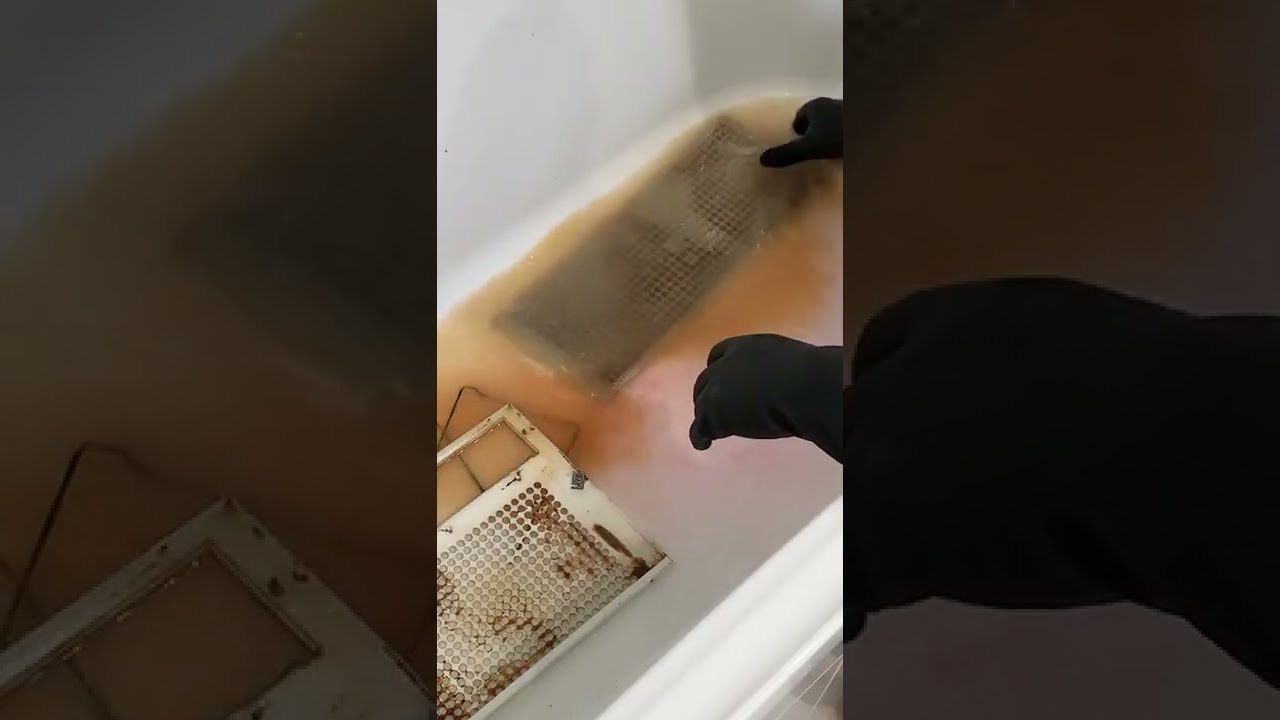
Assessment: The technician examines the unit, noting the type, size, and, crucially, the level of grime. This initial assessment is how the final quote is solidified. Disassembly: The unit is carefully taken apart to access all nooks and crannies—the greasy graveyards where buildup loves to hide. Deep Cleaning & Treatment: Specialized, non-abrasive, and often biodegradable chemicals are used to break down the complex grease molecules. Rinsing and Assembly: Thorough rinsing ensures no harsh chemicals remain, followed by meticulous reassembly, leaving the unit looking showroom-new.Why Professional Help is Non-Negotiable
It’s tempting to think, "I can just use some degreaser and a scrub brush." But here's where things get tricky. Grease and carbon buildup are not simple dirt; they are chemical deposits that require specific solvents. Furthermore, if the grease has penetrated Try it now the ductwork, attempting to clean it yourself could be dangerous.
As one industry expert wisely noted, "A rangehood isn't just an appliance; it's a critical part of your home's ventilation system. Treating it with anything less than professional care is like leaving a leaky faucet unattended—eventually, the damage adds up." Using the right tools and knowing the right chemicals is the difference between a superficial clean and a genuine, safety-conscious restoration.
Optimizing Your Budget and Choosing a Service Provider
So, if we've established that the price is highly variable, how do you get the best deal without compromising quality? It comes down to preparation and research.
Preparing for Your Service
Before the technician even arrives, you can help streamline the process and potentially save money.
- Minimize the mess: Use your rangehood regularly, but try not to let extreme buildup accumulate between professional services. Understand your unit: Know the make and model of your rangehood. Providing this information upfront helps service providers quote more accurately. Check your filters: Some filters are designed to be replaced rather than cleaned, and knowing this can save you unnecessary labor charges.
Evaluating Quotes and Service Providers
When comparing quotes, never focus solely on the lowest number. Instead, ask pointed questions:
- Do you offer a full assessment before quoting? What specific chemicals do you use, and are they safe for residential use? Is ductwork cleaning included, or is that an add-on?
When a quote feels too low, or conversely, seems astronomical, stop and ask "why?" A reputable service will be happy to walk you through their pricing structure, explaining exactly what labor and materials are included.
Keeping Your Kitchen Air Fresh: The Long-Term View
A sparkling clean rangehood is more than just a visual treat; it's a health and safety measure. Over time, trapped grease and carbon build up, not only reducing the efficiency of your ventilation but also creating potential fire hazards. Are you really willing to gamble with your home's safety on a quick DIY clean?

Investing in a professional deep clean is like giving your kitchen a full detox. It restores peak performance, improves air quality, and keeps your appliance running smoothly for years to come. While the initial cost might seem like a significant outlay, remember that prevention is far cheaper than repair.
By understanding the depth of the service required and the factors that influence the pricing, you can walk into the service process feeling empowered and informed. When you know the variables, the mystery fades away. To ensure your kitchen remains a haven of culinary delights—and not a greasy time capsule—investing in a thorough, professional clean is the smartest move you can make. Don't let accumulated grime turn your beautiful kitchen into a sticky secret. Contact a reputable Sydney service today to schedule your comprehensive assessment and breathe easy knowing your home is properly ventilated.